Edmonton Real Estate Lawyer Wildfire Home Purchase Issues in Edmonton
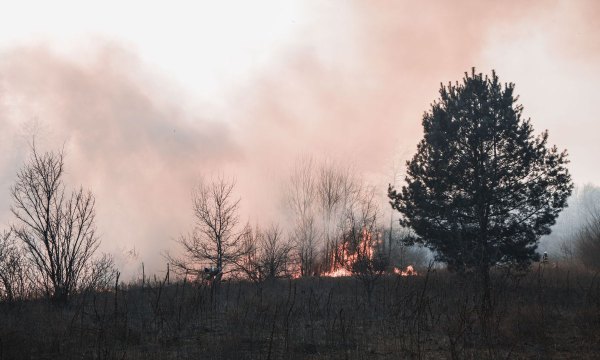
Wildfire smoke, evacuation alerts, and insurance questions can affect a home purchase faster than many buyers expect. If you are under contract or preparing to buy, an Edmonton real estate lawyer's wildfire home purchase concerns may help you review risk, timing, disclosures, and financing issues before they turn into a costly problem.
How can an Edmonton real estate lawyer wildfire home purchase concerns raise during a deal?
When wildfire season affects communities around Edmonton, buyers often ask the same practical question: do I still have to close? The answer depends on the contract, the condition of the property, whether there has been a material change in circumstances, and whether financing or insurance remains available on the agreed terms.
An Alberta real estate lawyer can help you analyse the purchase contract, review disclosure documents, identify deadlines, and coordinate with your realtor, lender, and insurer. That matters because a problem caused by smoke exposure, an evacuation order, or a sudden insurance restriction may not fit neatly into one simple legal rule. Alberta law recognizes this, and the legal effect often turns on the exact wording of the contract and the facts on the ground.
In many residential deals, there are only a few days to raise concerns or remove conditions. If smoke conditions are changing daily, buyers need timely legal advice on what can still be investigated before those deadlines pass.
Does wildfire smoke or evacuation risk have to be disclosed by a seller in Alberta?
In Alberta, sellers are not required to disclose every concern a buyer may have about a property. But the law does distinguish between issues that are visible or discoverable on inspection and issues that are hidden. A hidden defect that makes the property dangerous, unfit for habitation, or significantly less useful can raise legal concerns if it is known and not disclosed. The same principle applies where a seller makes statements that are inaccurate or misleading.
Common examples in Alberta include:
- known fire damage to structures or outbuildings
- smoke infiltration that affected walls, insulation, HVAC systems, or air quality
- prior evacuation-related damage or emergency access issues
- water, ash, or particulate contamination after a wildfire event
- known problems obtaining or keeping insurance for the property
A seller may also complete a property condition disclosure statement. These forms can be useful, but they are not a substitute for legal advice or inspections. They are only as helpful as the information provided. If a buyer later learns that key information was omitted or misstated, the legal issue may become misrepresentation rather than a simple complaint about the home's condition.
A lawyer can review whether the information provided by the seller matches what appears in inspection reports, insurance correspondence, title documents, and municipal records. That early review can help avoid unnecessary conflict later.
What due diligence should buyers do if wildfire risk affects a home purchase near Edmonton?
When wildfire smoke or evacuation alerts are part of the background risk, due diligence needs to go beyond the standard home inspection. Buyers should think about the property itself, the surrounding area, and whether the deal still works financially and practically.
Steps that may be worth taking include:
- asking whether the property has experienced smoke, ash, or fire-related damage in recent seasons
- confirming whether the seller has received evacuation orders, alerts, or municipal notices affecting the property
- ordering a home inspection with attention to ventilation, filtration, attic spaces, and signs of smoke infiltration
- asking your insurer in writing whether coverage is available before closing and on what terms
- confirming with your lender that insurance and property risk issues will not delay mortgage funding
- reviewing local emergency access, road closures, and service interruptions if the property is outside the city or in a higher-risk area
If the purchase involves mortgage financing, buyers should also review funding conditions carefully. Cambria LLP discusses related financing issues on its real estate financing page. A lender that becomes concerned about insurability or property condition may require more documentation, change the terms of approval, or delay closing.
That is why due diligence should be completed as early as possible. Once conditions are removed, a buyer may have fewer ways to step back from the transaction without legal and financial consequences.
Can you back out of an Alberta home purchase because of wildfire smoke or evacuation alerts?
Sometimes yes, but not automatically. A buyer's right to end the contract usually depends on whether there is an unfulfilled condition, a contractual right to object, a failure by the seller to meet obligations, or a material change in circumstances that affects the deal in a legally relevant way.
For example, if the contract is still conditional on financing or inspection, smoke-related concerns may be addressed within that condition period. If insurance cannot be obtained on terms acceptable to the lender, that may affect financing. If an inspection reveals previously unknown damage or contamination, the buyer may have a basis to seek further information, negotiate repairs or credits, or decline to waive the condition.
Once conditions are removed, the analysis becomes stricter. A general concern about regional wildfire risk may not be enough to avoid closing. But if the property suffers direct damage before possession, or if access becomes impossible due to an evacuation order, the legal position may change. In Alberta, standard purchase contracts often address risk and the condition of the property between contract and possession. The exact wording matters.
An Edmonton real estate lawyer can help determine whether the issue is:
- a contract condition problem
- a misrepresentation issue
- a title or use problem
- an insurance or financing problem
- a true material change in circumstances affecting the parties' obligations
That distinction matters because the available remedies are different in each case.
What happens if the property is damaged before closing?
If a wildfire affects the property after the contract is signed but before possession, buyers and sellers should act quickly. Alberta law recognizes this as a period where risk allocation under the contract becomes very important. Some agreements require the seller to keep the property in substantially the same condition until possession. Others deal expressly with damage, insurance proceeds, or the buyer's options if there is substantial loss.
The first question is usually factual: what actually happened? Smoke odour alone may raise one set of issues. Physical fire damage, damaged outbuildings, or contamination affecting habitability may raise another. The second question is legal: does the contract treat that event as minor damage that can be repaired, or as a material change in circumstances that allows another remedy?
In practical terms, your lawyer may recommend:
- documenting the condition of the property immediately
- obtaining inspection or restoration opinions
- requesting insurance information from the seller
- reviewing whether the seller can still deliver what was promised under the contract
- considering an amendment, holdback, delay, or other negotiated solution
Quick action is important because possession dates, mortgage instructions, and moving arrangements often leave little room for uncertainty.
Why do insurance and mortgage issues matter so much in wildfire season?
Insurance is often the practical pressure point in these files. A buyer may be willing to proceed, but the lender may require proof of acceptable property insurance before advancing funds. If an insurer declines coverage, excludes wildfire-related loss, or increases premiums beyond what the buyer can manage, the transaction may be affected even if the property itself appears unchanged.
Under section 7 of Alberta's Condominium Property Act, for example, condominiums have their own insurance framework, but that does not remove the need for buyers to review unit-specific and personal coverage questions. Detached homes, acreages, and rural-adjacent properties may raise different underwriting concerns, particularly where access routes or proximity to wildfire-prone land are part of the insurer's assessment.
A lawyer can help by identifying what the lender requires, reviewing financing deadlines, and making sure the contract and closing process line up with the insurance realities. This is not just an administrative step. If funding fails because insurance falls through late in the process, a buyer may still face contractual exposure unless the issue is addressed properly and on time.
What contract terms should buyers and sellers review when wildfire risk is a concern?
Not every residential contract has the same wording. Buyers and sellers should review the terms dealing with:
- inspection conditions
- financing conditions
- insurance requirements
- representations about the property's condition
- the seller's obligation to maintain the property before possession
- remedies if the property is damaged before closing
- extensions or amendments if access to the property becomes limited
Where there is known regional wildfire risk, some parties may also consider custom wording. That may include a more specific insurance condition, a right to conduct a follow-up inspection close to possession, or a requirement that the seller disclose recent evacuation notices or fire-related claims. These clauses need to be drafted carefully. A vague clause can create more dispute, not less.
For buyers, the goal is usually to preserve flexibility while conditions are open. For sellers, the goal is often to keep the deal moving without taking on unclear obligations. Clear drafting can help both sides.
What should you do now if smoke or evacuation risk affects your pending purchase?
If you are already under contract, do not wait for the issue to solve itself. Check your condition deadlines, contact your insurer and lender, and gather any written information about the property's recent condition. If there is an inspection booked, ask whether wildfire-related concerns can be addressed specifically.
If you are considering an offer, think ahead about what information you will need before removing conditions. A short conditional period may not leave enough time if smoke conditions are affecting inspections, insurance underwriting, or access to the property.
Early legal advice can help you decide whether to proceed, renegotiate, request documents, or preserve your rights under the contract. It can also help sellers respond properly when buyers raise wildfire-related concerns close to closing.
For updates from the firm, you can also connect with Cambria LLP on LinkedIn.
If wildfire season is affecting your real estate transaction, Cambria LLP can help you review the contract, disclosure issues, and closing risks. Speak with an Edmonton real estate lawyer to understand your options and take practical steps before deadlines pass.