A handwritten will can seem practical. It may feel quick, private, and inexpensive. In Alberta, handwritten wills can be valid in some circumstances, but simple does not always mean safe.
The problem is not only whether the document technically counts as a will. The larger problem is whether it clearly deals with the estate, names the right person to administer it, avoids ambiguity, and can be used by banks, land titles, and beneficiaries without unnecessary conflict.
What is a handwritten will?
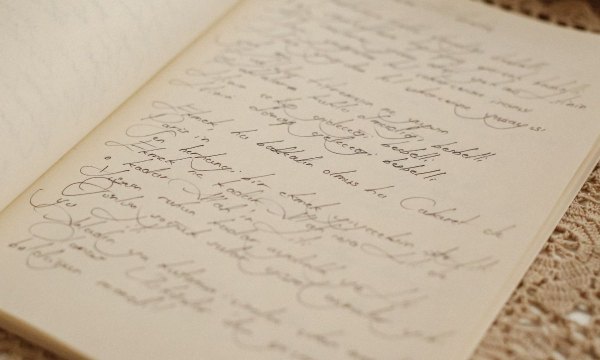
A handwritten will is often called a holograph will. In Alberta, this type of will generally needs to be written entirely in the testator's own handwriting and signed by the testator. It does not require witnesses in the same way as a formally witnessed will.
That can make it useful in limited situations. But it also creates risk because no one may have reviewed the wording, capacity, asset list, beneficiary structure, or practical administration issues.
Common problems with handwritten wills
Handwritten wills often create problems because they are too brief. A person may say who should receive property but not name an executor. They may leave out alternate beneficiaries. They may use unclear words. They may forget about jointly owned assets, beneficiary designations, debts, taxes, or family obligations.
A short document can be legally significant while still being hard to administer.
Ambiguity creates conflict
Estate disputes often begin with ambiguity. A handwritten will may refer to a nickname, a category of assets, a promise made during life, or a general phrase such as “everything” without enough detail.
If family members disagree about what the wording means, the estate may need legal advice or court direction. That can delay administration and reduce the value of the estate.
Blended families and unequal gifts
Handwritten wills can be especially risky in blended families or where the will treats people unequally. A person may intend to benefit a current partner, children from a prior relationship, stepchildren, siblings, or friends. If the explanation is unclear, the result may feel surprising or unfair to others.
A carefully prepared will can still make unequal choices, but it should do so with clearer structure and planning.
Real estate and financial institutions
Even if a handwritten will is valid, practical issues may still arise. Institutions may require proof of authority before releasing funds or transferring property. If the estate includes real estate, probate or other court processes may be needed.
A handwritten will may also make the probate process more difficult if the original document is hard to read, damaged, incomplete, or unclear.
When legal review helps
A handwritten will may be better than no will in some situations, but it should not be treated as a substitute for careful planning. Legal review can help address executor appointment, alternate beneficiaries, trusts, tax concerns, guardianship wishes, real estate, business interests, and beneficiary designations.
The goal is not complexity for its own sake. The goal is a document that works when the family needs it.
A practical closing thought
A will is only useful if it can be understood and administered. Handwritten wills may be valid in Alberta, but they often leave important questions unanswered.
For Alberta families, a clear and properly planned will can reduce delay, confusion, and conflict after death.