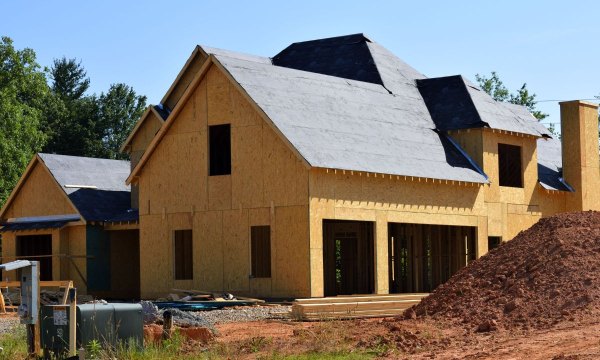
Buying a new home can feel safer than buying an older property. The finishes are new, the systems should be current, and the buyer may expect fewer surprises. But new construction has its own legal and practical risks.
Possession dates can move. Deficiencies may remain incomplete. Landscaping, grading, appliances, permits, seasonal work, warranty coverage, and final adjustments may still be unresolved when closing arrives. Buyers should understand how those issues are handled before they assume a new build will be simpler than a resale purchase.
New does not mean problem-free
A new home may still have defects, incomplete work, or unresolved municipal requirements. Some items are minor. Others may affect use, safety, financing, insurance, or resale value.
The purchase agreement matters. Builder contracts may include detailed terms about possession, delays, changes, substitutions, walkthroughs, deficiencies, warranty claims, and remedies. Buyers should review those terms carefully before signing, not only when a problem appears.
Possession delays
Construction timelines can change for many reasons, including weather, labour availability, inspections, supply delays, financing, or permit issues. A buyer should understand what the contract says about delayed possession and what notice the builder must give.
A delay can have practical consequences. Buyers may have sold another home, arranged movers, given notice to a landlord, or locked in mortgage financing. Even where the contract allows a delay, the buyer may still face inconvenience and cost.
Deficiency lists
A deficiency list records items that need repair, completion, or correction. This may include paint, flooring, doors, trim, fixtures, appliances, grading, concrete, windows, or other items discovered before or shortly after possession.
Buyers should be specific. Vague notes can create disagreement later. Photos, dates, written communication, and clear descriptions help avoid confusion over what was promised.
Holdbacks
A holdback is money withheld from closing proceeds until certain work is completed or a condition is satisfied. Holdbacks can be useful, but only if the parties agree on the amount, conditions for release, deadline, and what happens if the work is not completed.
A buyer should not assume that a holdback will automatically be available. The builder, seller, lender, and lawyers may all need to agree. Some contracts restrict holdbacks or require a different process for deficiencies.
Warranty coverage is not the same as closing protection
New homes in Alberta may involve warranty coverage, but buyers should understand the difference between making a warranty claim and resolving a closing issue. A warranty process may help after possession, but it may not solve an immediate dispute about closing, possession, or incomplete work.
The buyer should know what must be addressed before closing and what may be dealt with after possession through warranty or builder follow-up.
Seasonal work and exterior items
Some items cannot be completed before possession because of weather or season. Landscaping, grading, exterior concrete, fencing, decks, and similar work may be scheduled for later. These items should be clearly documented.
The agreement should identify what remains outstanding, when it must be completed, and how the buyer can follow up if the work is delayed.
A practical closing thought
A new build can be a good purchase, but it should not be treated as risk-free. Buyers should review the contract, understand delay clauses, document deficiencies, ask about holdbacks where appropriate, and keep written records of promises and follow-up items.
The goal is not to make the purchase adversarial. It is to make sure the buyer knows what is complete, what remains outstanding, and what legal options exist if the builder or seller does not follow through.