

Youth Criminal Justice in Alberta: How the System Handles Young Offenders
When a young person is accused of a crime, the legal system responds differently than it does for adults. Canada’s Youth Criminal Justice Act (YCJA) recognizes that youth are still developing — and that rehabilitation, not punishment, should be the primary goal.

Common-Law Relationships and Property Division in Alberta: What’s Fair When You Separate
Not every committed couple in Alberta chooses marriage — and that’s perfectly legal. Many couples live together for years, share finances, raise children, and build property together without ever signing a marriage certificate. But when those relationships end, the question of who owns what can become complicated.

Conditional Sentences in Alberta: How House Arrest Works
Not every conviction in Alberta leads to jail time behind bars. For some offences, judges can impose a conditional sentence — commonly known as house arrest — allowing individuals to serve their sentence in the community under strict supervision.

When One Parent Wants to Move: Relocation and Mobility Rights in Alberta
Few family law issues create as much stress and uncertainty as when one parent wants to move after separation or divorce. Whether it’s a new job, a fresh start, or family support elsewhere, relocation can deeply affect parenting time and a child’s stability.
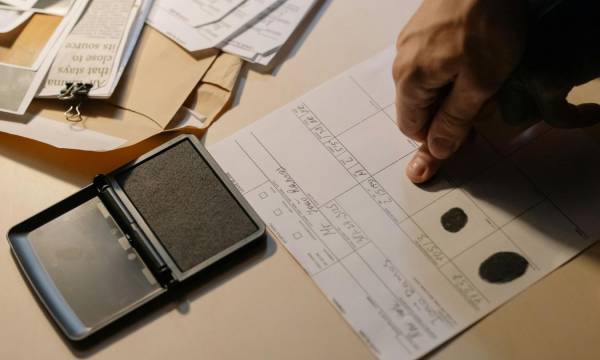
Understanding Record Suspensions (Pardons) in Alberta
A criminal record can follow you long after you’ve paid your debt to society. It can affect job opportunities, international travel, volunteering, and even your ability to rent an apartment. Fortunately, Canadian law provides a path to move forward — through a record suspension, commonly known as a pardon.

The New Alberta Family Justice Strategy
Alberta’s new Family Justice Strategy is changing how families approach separation and divorce. Instead of defaulting to court battles, the strategy focuses on early resolution, mediation, and support programs that reduce cost, stress, and delay. For Edmonton families, it means faster access to help — and less conflict during an already difficult time.

When Child Support Continues After 18 in Alberta
Many Alberta parents assume child support stops automatically when a child turns 18. In reality, support can continue when a young person remains dependent—such as while attending post-secondary school or living with a disability. Understanding how Alberta law defines dependency helps parents plan ahead and avoid conflict.

Multi-Parent Recognition: Is Alberta Next?
As Canadian families become more diverse, questions around legal parenthood are evolving. A recent Quebec court ruling recognizing more than two legal parents for a child has sparked national debate — including in Alberta. For Edmonton families, the idea of multi-parent recognition could reshape how the law defines family, responsibility, and the best interests of a child.

Alberta’s 2025 Family Law Reforms
Alberta’s 2025 family law reforms bring significant updates that affect how Edmonton families navigate separation, parenting, property division, and financial support. These changes aim to create a fairer, more modern system that reflects the realities of today’s families—whether you’re married, common-law, or co-parenting apart.

Mental Health Defences in Criminal Cases: How Courts in Edmonton Handle Them
Mental health defences in Alberta, including fitness to stand trial and not criminally responsible (NCR), protect accused persons while balancing public safety. Learn how courts, lawyers, and sentencing alternatives address these cases.

Mandatory Minimum Sentencing: Recent Trends & Challenges in Alberta
Mandatory minimum sentences in Alberta face ongoing challenges and reforms. Learn where they apply, recent Supreme Court rulings, defence strategies, and what changes mean for those charged in Edmonton and Northern Alberta.


